Executive Alert: What Indonesian Enterprises Need to Know About the Critical "PHP2Shell" Threat
A major cybersecurity threat is currently putting millions of company websites and business applications at immediate risk. Known as php2shell (tracked globally as CVE 2026 109618 and CVE 2026 109619), this critical security flaw affects PHP, the foundational technology powering nearly 70% of all websites worldwide, including popular platforms like WordPress, Magento, Laravel, and Drupal.
October 22, 2026 · 5 min read
With a critical severity score of 9.2 out of 10 and active cyberattacks already underway, business leaders must act quickly to protect their operations and customer data.
What is the Threat and Why Should Business Leaders Care?
Think of these vulnerabilities as an unlocked backdoor into your company's digital infrastructure. Normally, hackers need stolen passwords or employee access to infiltrate a system. With php2shell, attackers can bypass security entirely and take control of a vulnerable web server from afar without needing any login credentials.
If left unaddressed, this flaw exposes businesses to three major risks:
- Total System Takeover: Hackers can remotely run malicious commands on your servers, potentially shutting down your customer portals, e-commerce stores, or internal applications.
- Silent Data Theft: One of the flaws allows attackers to read sensitive data temporarily stored in the server's memory. This means customer information, financial records, or login sessions could be stolen silently, triggering severe legal and reputational consequences under Indonesia's Personal Data Protection Law (UU PDP).
- Ransomware Attacks: Past vulnerabilities of this scale have been heavily used by cybercriminals to lock company systems and demand hefty ransom payments.
Is your company affected? Almost any web server using PHP is at risk, including older, legacy systems that have been running for over a decade (dating back to PHP version 5.4).
Immediate Steps Your Company Must Take
You do not need to be a technical expert to drive the right response. Instruct your IT and security teams to execute these three steps immediately:
- Update Systems Immediately (The Only Permanent Fix): The creators of PHP have released emergency security updates (specifically versions 8.5.12, 8.4.27, 8.3.36, and 8.2.35). Ensure your IT team or web hosting vendors apply these updates right away.
- Put Temporary Shields in Place (If You Cannot Update Today): If updating immediately might disrupt your live business operations, your IT team must apply temporary safety adjustments to the server's memory settings and turn on Web Application Firewall (WAF) protections (such as Cloudflare) to block incoming attack attempts until a full update can be scheduled.
- Check All Digital Assets: Many breaches happen through forgotten systems, such as old marketing websites, testing servers, or third party vendor portals. Direct your team to inventory and check every digital asset your company owns.
When Should You Call a Cybersecurity Consultant?
Even capable internal IT teams can be overwhelmed when a critical threat is already being exploited by hackers. You should bring in an external cybersecurity consultant immediately if:
- You Suspect Your Systems Were Already Breached: If your team notices unusual website slowdowns, strange server behavior, or suspicious activity before they were able to update. Experts are needed to perform a digital investigation (forensics) to ensure hackers haven't already left hidden traps inside your network.
- Your Business Relies on Older Technology: If your core applications run on outdated PHP versions (versions 5.x to 8.1) that no longer receive official updates, and upgrading them would break your business operations. Consultants can build custom security shields around these legacy systems without causing downtime.
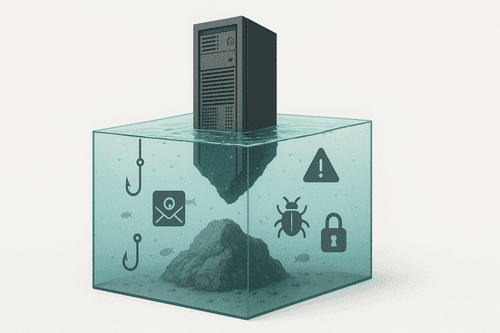
- You Aren't 100% Sure Where Your Risks Are: If your company manages dozens of websites, cloud servers, and applications, external experts can quickly scan and test your entire digital footprint to guarantee no blind spots are left open.
- You Need to Protect Regulatory Compliance (UU PDP): If you operate in banking, fintech, healthcare, or retail and need independent verification that sensitive customer data remains safe and compliant with Indonesian regulations.
Contact Spentera today to validate your patch readiness, secure your attack surface, and protect your business continuity against evolving cyber threats.